Four Native Maples
December 10, 2025
December 10, 2025
By Gary Schneider
Over the years at Macphail Woods, I was often surprised when people would say they wanted to purchase some maples. I would ask them what kind, and they’d say the native one. That generally translated as “I don’t want the non-native and invasive Norway maple” which most nurseries sell.
But as is often the case, this was just the start of the conversation. There are four native maples in Prince Edward Island and if you are doing any kind of ecosystem restoration or even just beautifying your yard, it is good to understand each of their strengths and weaknesses.
Think of the conditions they will be planted in, and ask yourself these questions: is the soil generally wet or dry; is the site exposed to winter winds from the northwest; is it in full sun or partial shade?
There is some leeway as to where you plant the various native maples, but the following general information should make you a happy planter.
Sugar maple is the longest lived and arguably the most beautiful of our native maples. Before the Europeans landed and started clearing land for agriculture, it was a much more important tree in our forest. It grows well on dry, upland forest sites, and does well with some light shading. It can last up to 450 years and with its great size and quantity of food produced, is an important tree for wildlife. Sugar maple wood is one of our most valuable forest products, while the brilliant yellows and oranges in the fall make it a stunning landscape tree. The leaves roughly look like the maple on the Canadian flag. There are points but not teeth along the edges.
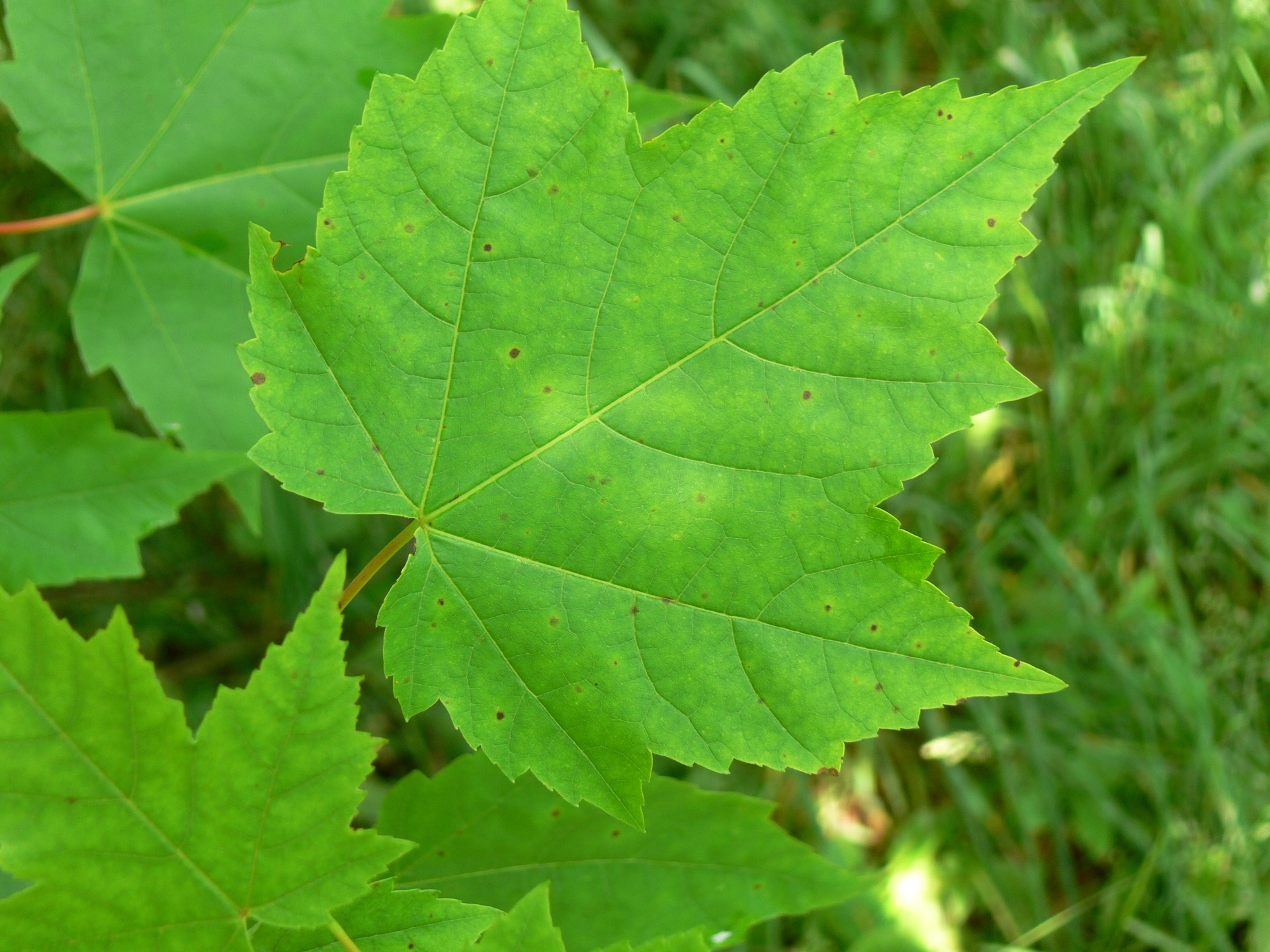
With all the damage that has been done to our forests, red maple is by far our most common species. It really will grow almost anywhere, though if the shade is too dense, it will remain seedling-size for many years. Wet feet, dry feet, full sun or light shading – this tree can take it all. The wood is far less valuable than that of sugar maple, but it makes excellent firewood. The red leaves in the fall make this another good choice as a landscape addition. The teeth on the leaves make them easy to distinguish from sugar maple.
Striped maple is a beautiful tree that grows in the middle of the canopy. It never quite reaches the top, but does well in dappled light in dry, upland forests. The “stripes” are on the bark of the new grow, a striking look that is unique to this species. It is one of my favourite landscape trees, when I’m looking for something that will not grow too large. The leaves are shaped like a goose’s foot and turn yellow in the fall.
And last but not least, mountain maple is a favourite for riparian zone plantings. It is more of a tall shrub than a tree and tends to grow in clumps. This species does especially well along streams and doesn’t seem to mind getting its feet wet. The leaves are like those of a red maple, except with a thicker, almost quilted look to them.
Depending on your purpose, you should now be able to select the right tree for the right place.